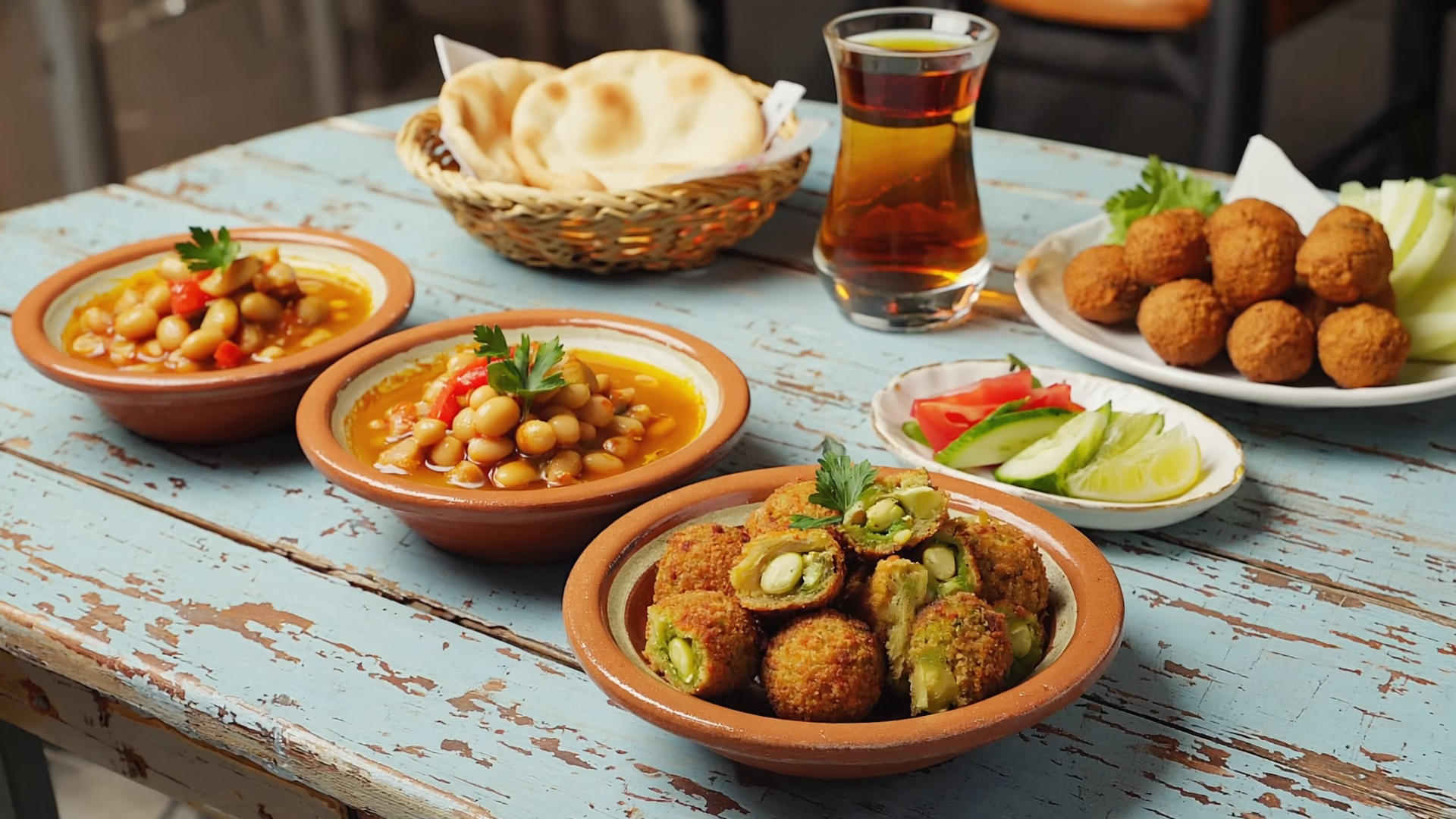
A hotel buffet can be convenient, but it rarely explains what breakfast means in the streets and homes of Egypt. A small bowl of warm ful, freshly fried taameya, baladi bread and a few bright accompaniments can tell you more about everyday life than an elaborate international spread. The pleasure is not only in the food. It is in choosing what goes into a sandwich, watching bread arrive at the table and discovering how a simple meal changes from one neighborhood to another.
This is a practical guide to Egyptian breakfast for curious travelers. You will learn what to order, how dishes are prepared, how to navigate allergies and food hygiene, what to expect in different destinations and how to enjoy the experience without treating local eating habits as a staged attraction.
What an Egyptian breakfast actually looks like
There is no single plate that represents every household or region. Some people grab a sandwich on the way to work, others sit with family around shared dishes, and hotel guests may eat a mix of Egyptian and international food. Still, ful medames, taameya and baladi bread are recognizable staples across much of the country. Their appeal comes from accessibility, familiarity and the flexibility to combine them with vegetables, eggs, cheese or sauces.
A local breakfast is often assembled rather than served as one fixed recipe. You might tear bread and scoop beans, build a sandwich with fried patties and salad, or share small plates at a table. The pace depends on where you eat. A busy takeaway counter is different from a relaxed café, and neither is more authentically Egyptian. Pay attention to how people use the space rather than searching for one supposedly perfect ritual.
Ful medames: the quiet centre of the table
Ful is made from cooked fava beans, typically served warm and seasoned according to preference. Lemon, cumin, oil, garlic, chili, tahini and chopped vegetables are common additions, but combinations vary widely. Some versions keep the beans mostly whole, while others are mashed into a creamier texture. The result can be mild, tangy, rich or spicy depending on how it is finished.
If you are new to ful, start with a modest portion and ask for chili on the side. Taste the beans before adding everything at once. A squeeze of lemon can brighten the dish; cumin adds a familiar earthy note. Ful is often eaten with bread rather than a spoon, though there is no need to imitate others awkwardly. Enjoy the food in the way that feels comfortable and respectful.
Taameya: Egypt’s green-hearted falafel
Egyptian taameya is commonly made with fava beans and generous quantities of herbs such as parsley, coriander and dill. The mixture is shaped and fried, sometimes with sesame seeds on the outside. When fresh, the contrast between a crisp exterior and tender green interior is one of the pleasures of breakfast. It differs from many chickpea-based falafel recipes found elsewhere in the region.
Freshness matters more than a fashionable presentation. A patty fried recently should have texture without tasting heavy or stale. You can eat it on a plate with vegetables or inside baladi bread with tahini, pickles and salad. If you dislike raw onion or spicy sauce, ask for those separately. Be cautious about grand claims that one modern shop invented taameya; food histories are complicated, and a delicious breakfast does not require an origin myth.
Baladi bread: the part that holds the meal together
Egyptian baladi bread is a round, pocket-like flatbread, often made with whole-wheat flour. It serves as both accompaniment and utensil. Tear off a piece to scoop beans, or open the pocket and fill it with taameya, vegetables and sauce. Fresh bread can transform a simple plate; stale bread can make even well-seasoned ful feel disappointing.
Watch how a restaurant handles bread rather than assuming every basket is identical. Some serve it warm, others bring a stack at room temperature. If you have dietary restrictions, remember that traditional baladi bread contains wheat and is not suitable for people who must avoid gluten. Asking for a “gluten-free Egyptian breakfast” requires more than removing the bread, because preparation surfaces and sauces may introduce cross-contact.
The small plates that make breakfast feel generous
Tomatoes, cucumbers, pickles, olives, white cheese, eggs and tahini can turn two staple dishes into a colorful shared meal. The details vary by café and family preference. A plate of fresh vegetables adds crunch, while pickles bring acidity that balances fried food. Cheese can be salty, so taste before seasoning the rest of your breakfast heavily.
Do not feel obliged to order every side. For two people, ful, taameya, bread and one or two accompaniments may be plenty. Ask whether plates are individual or designed to share. A menu photograph can exaggerate portion size, and ordering too much creates unnecessary waste. A smaller spread that you genuinely enjoy is better than a table crowded for social-media effect.
Eggs, cheese and other breakfast variations
Eggs may be fried, scrambled or served with additional ingredients. Egyptian white cheeses range from mild to assertively salty, and some breakfasts include cured meat such as basterma. Feteer, a layered pastry, can appear in savory or sweet forms and is sometimes a separate meal rather than a small side. Travelers with larger appetites can explore these options gradually instead of assuming ful and taameya are the only choices.
Regional and household traditions differ. In some places a quick sandwich is the normal weekday breakfast, while a leisurely weekend table may feature more dishes. In hotels, a chef may adapt local staples for international guests. That adaptation is not automatically inferior, but it can be useful to compare a buffet version with a small neighborhood shop to understand how temperature, bread and fresh frying affect the experience.
How to order without feeling lost
Begin with a simple request: ful, a few pieces of taameya and bread. Add salad or tahini if you like. You can point to the food, use a translated menu or say a few basic Egyptian Arabic words. “Ful” is widely understood; “taameya” may be written in several English spellings. “Min fadlak” or “min fadlik” is a polite way to say “please,” with forms varying by the person addressed.
Ask about the total price before ordering if the menu is unclear. Check whether bread, sides, service or drinks are charged separately. In a busy takeaway place, it is normal for the transaction to be brisk. A calm smile and clear request are more useful than trying to perform perfect local slang. If you make a mistake, correct it politely and move on; breakfast should not become a language examination.
Three breakfast orders for different appetites
The first-timer: one bowl of mildly seasoned ful, two or three taameya pieces, bread and a small salad to share. This introduces the essential textures without overwhelming the table. The sandwich breakfast: a taameya sandwich with vegetables and tahini, plus tea or water. This suits a morning when you want to eat quickly before sightseeing. The leisurely table: ful, taameya, bread, white cheese, eggs and vegetables for a group, ordered in quantities that match the number of diners.
These are examples, not universal portion standards. Restaurant sizes vary, and appetites differ. If you are heading into a long hot excursion, eat enough to feel comfortable but avoid experimenting with unusually rich or spicy food immediately before a lengthy road transfer. Pack water and allow time for a bathroom stop if needed.
Finding a good breakfast in Cairo
Cairo offers everything from takeaway sandwich counters to seated restaurants specializing in Egyptian staples. Neighborhood shops may be busy early, while tourist-oriented cafés sometimes open later. Choose a place where food is handled carefully, the turnover looks healthy and staff can explain what is available. A queue can suggest popularity, but it is not a guarantee of hygiene or quality.
Breakfast can fit naturally into a day exploring Downtown, Coptic Cairo or another district, provided you account for traffic and opening times. Avoid crossing the entire city for a single famous sandwich unless the journey is itself part of your plan. The pleasure of a local breakfast often comes from choosing a good, convenient place near where you are staying rather than chasing an online ranking.
Breakfast beyond Cairo: Hurghada, Marsa Alam and Sharm
Red Sea resort towns have their own mix of hotel dining, local restaurants and takeaway counters. In Hurghada, areas with a strong year-round resident community may offer a different breakfast atmosphere from the hotel strip. Sharm El Sheikh has neighborhood options alongside international cafés. Around Marsa Alam, distances between resorts and settlements can be considerable, so do not assume a local breakfast shop is within walking distance.
If you are staying in a remote resort, ask about a safe, practical transfer rather than setting off along a highway. A city excursion can include time for a local meal when arrangements and opening hours allow. There is no need to claim that a specific venue is “the most authentic” in town. The useful question is whether the food is well prepared, the service is clear and the outing fits comfortably into your day.
Breakfast in Luxor and Aswan before sightseeing
In Upper Egypt, early departures are common for temple visits, balloon experiences and long road journeys. A small, reliable breakfast can be more practical than a lavish meal just before leaving. If you want ful or taameya before a tour, confirm whether a nearby shop opens early enough and whether your transport schedule permits a stop. Your hotel may offer a breakfast box, but contents vary.
On a leisurely day in Luxor or Aswan, choose a seated breakfast and watch the morning unfold. The Nile, local markets and the rhythm of neighborhood streets can make the meal memorable without requiring a special restaurant. Respect working people and avoid photographing customers or staff without consent. You are sharing an ordinary public space, not entering a staged cultural performance.
Food hygiene without fear or stereotypes
Food safety is about handling and storage, not about declaring all street food unsafe or all hotel food safe. Choose freshly cooked items, observe whether utensils and surfaces look clean, and be cautious with food that has sat unrefrigerated in the heat. Hot, recently prepared taameya may be a sensible choice; cut vegetables and sauces require attention to washing and storage. If you have a sensitive stomach, begin with a modest portion.
Use drinking water from a trusted source and wash or sanitize hands before eating. People with medical vulnerabilities should follow their clinician’s advice. Avoid dramatic claims that a particular breakfast will prevent or cause illness. Individual responses vary, and even a well-run restaurant cannot eliminate every risk. The aim is sensible judgment that allows you to enjoy food without unnecessary anxiety.
Vegetarian, vegan and allergy considerations
Ful and many taameya recipes are plant-based, but never assume every preparation is vegan or free of allergens. Sauces may contain sesame, dairy or other ingredients; frying oil can be shared; bread contains wheat. Fava beans are also important for people with G6PD deficiency, for whom consumption can trigger serious hemolysis. Anyone with that condition should avoid fava beans and follow medical guidance.
For severe allergies, use a clearly translated allergy card, communicate with staff and consider whether the kitchen can manage cross-contact. If the answer is uncertain, choose a safer alternative. Vegetarian travelers should ask about meat stocks or toppings rather than relying on a dish’s appearance. A restaurant’s willingness to answer questions honestly is more valuable than an unsupported “allergy-friendly” label on a menu.
Tea, coffee and the rhythm of the morning
Tea is a familiar companion to breakfast, and coffee is widely available, although styles and sweetness vary. Ask whether your drink comes sweetened and whether sugar can be served separately. Fresh juice may be appealing, but choose vendors with good handling practices and ask about added water or ice if you have concerns. Plain bottled water is a practical choice before a hot sightseeing day.
A breakfast stop can become a small pause in a busy itinerary. Sit long enough to notice the interaction between kitchen, counter and tables, but do not occupy a crowded seat indefinitely during peak service. If you are traveling with a group, allow enough time for orders to arrive and bills to be settled. A slower morning is not necessarily a longer one; it is one in which you are not rushing through every sensation.
Prices, payment and tipping
Egyptian breakfast can be economical, but prices vary by neighborhood, portion size, venue and the wider economy. Avoid relying on a precise online price list from months earlier. Check the menu or ask before ordering, especially when sides are charged individually. Keep some small-denomination Egyptian pounds if paying in cash, and confirm whether cards are accepted rather than assuming every counter has a terminal.
Tipping practices differ between a quick takeaway purchase and table service. If service is provided, a modest discretionary tip may be appreciated, but it should reflect the situation and your satisfaction rather than an invented compulsory percentage. Check whether a service charge is already included. Treat staff respectfully and do not make the payment exchange into a performance about bargaining over small sums.
What breakfast reveals about everyday Egyptian culture
The most interesting lesson may be how flexible a familiar meal can be. One person prefers ful with lemon and cumin, another adds tahini, and a third chooses a quick taameya sandwich. These choices reflect taste, habit, time and budget more than a single national rule. Food is part of daily life, shaped by work schedules, family routines and the practical need for nourishment.
Resist describing ordinary breakfast as an exotic secret discovered by tourists. Egyptians have been eating, adapting and debating these foods long before travel blogs arrived. Ask questions with curiosity, learn a few words and appreciate the skill involved in preparing a good meal quickly. The result is a more human travel experience: not a claim to have “lived like a local” after one morning, but a better understanding of the place you are visiting.
A simple food-focused morning itinerary
Choose a neighborhood near your hotel or the first sight on your itinerary. Find a well-reviewed, currently operating breakfast place and confirm hours. Order a small spread, taste the dishes before adding condiments, and take time to understand the differences between beans, fried patties, bread and sides. If you enjoy markets, add a short walk afterward rather than arranging an elaborate multi-stop food marathon.
For families, keep the plan flexible: a child may prefer bread, eggs or cheese before trying taameya. For travelers with allergies, identify safe options in advance. For photography enthusiasts, ask permission before shooting staff or food preparation. If you have a private guide, mention your interest before the day begins so the breakfast stop fits naturally into the route instead of causing an unexpected delay.
Frequently asked questions
What is the most common Egyptian breakfast?
Ful medames, taameya and baladi bread are widely familiar staples, often accompanied by vegetables, eggs, cheese or sauces. There is no single universal plate.
What is the difference between taameya and falafel?
Egyptian taameya is commonly made with fava beans and herbs, while many falafel recipes elsewhere use chickpeas. Recipes and terminology vary.
Is Egyptian breakfast vegetarian?
Many staples are vegetarian or vegan, but toppings, sauces, frying practices and side dishes differ. Confirm ingredients if you follow a strict diet.
Is ful safe for everyone?
No. Fava beans can be dangerous for people with G6PD deficiency. Anyone with this condition should avoid them and follow medical advice.
Is baladi bread gluten-free?
No. Traditional baladi bread is made with wheat. Travelers with celiac disease need a suitable alternative and careful cross-contact precautions.
Can I get Egyptian breakfast in Hurghada or Sharm?
Yes, in many local restaurants and some hotels, though availability and distance depend on your neighborhood or resort.
What should I order first?
Try a modest portion of ful, freshly cooked taameya, baladi bread and a simple vegetable side. Add condiments gradually.
How much does breakfast cost in Egypt?
Prices vary considerably and change over time. Check current menus, portion sizes and any service charges rather than relying on old online figures.
Is street breakfast safe for tourists?
Choose vendors with good food handling, fresh cooking and clean facilities. Risk cannot be judged solely by whether a business is on a street or inside a hotel.
What time do Egyptians eat breakfast?
Schedules vary by household, work and destination. Some takeaway counters are busy early; other cafés serve breakfast later. Confirm hours locally.
Continue exploring with our guide to traditional Egyptian dishes, useful Egyptian Arabic phrases, practical food and water precautions and tipping etiquette. For a locally informed sightseeing day with time to enjoy a real breakfast, contact Miki Travels about your itinerary.